


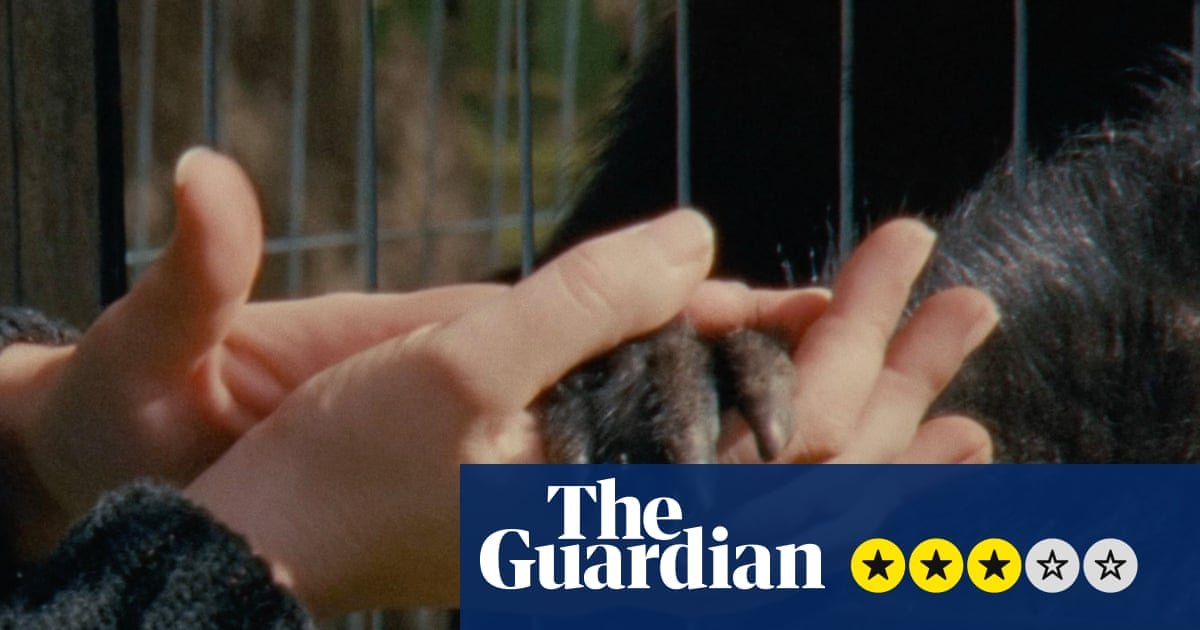
Traditional zoos are zones of hierarchy; animal voyeurism is encouraged but interspecies interactions are curbed, if not outright forbidden. Shot in various conservation parks and rescue centres across Argentina, Jessica Sarah Rinland’s sensuous documentary poetically foregrounds the physical and emotional contact that occurs between animals and their carers, even within these spaces of surveillance. From rare giant anteaters to flamingo colonies, the isolated creatures are stunningly varied.
Interestingly, Rinland rarely frames the animals by themselves. Instead, we see them actively engaging with human workers during feeding or weighting routines, often in closeup that accentuates minute gestures and expressions. There are echoes of Rinland’s previous works, which lingered on the hands of archivists, farmers or ecologists; those in fact who relate to their environments in a tactile way. In the case of zoo workers, however, they deal not with inanimate plants or archival records, but living, breathing beings. The bonds between them and the animals are profound, but rarely friction-free.
The sumptuous 16mm film stock enhances the texture of these encounters between the human and the non-human, and the film is punctuated by bursts of infrared footage from night-vision cameras used to monitor the animals. Such juxtaposition poses thorny questions about their situation: can these creatures ever be truly free? There are colonial vestiges embedded within these spaces too. The Buenos Aires Eco-Park, one of the highlighted organisations, was originally modelled after European zoos, institutions designed to boost imperialist conquest.
The film ends with a title card contextualising its own title, which comes from findings by psychologist Jean Piaget – part of his theory is that, in the early stages of a child’s life, they have the egocentric belief that nature is made for them. However, it’s a line that ends up reducing the film’s scope rather than widening it; although Rinland acknowledges the colonial roots behind conservation, this bookending quote reinforces the dichotomy between human and nature, neglecting the complex geopolitical forces behind environmental issues.