

Healing and renewal are core subjects of this elegantly crafted and emotionally layered documentary about the New South Wales town of Lismore, and the devastating floods that hit the region in 2022. It’s a film that evokes reflection and rumination rather than shock or grief, entrusting with something cherished. Director Jordan Giusti does a fine job marrying people and place, wrapping them together like a double helix, understanding that locations mean little without the stories of those who inhabit them.
We encounter several of the town’s residents, including Eli and Jess, who met after the floods and – in their words – “immediately hit it off and fell in love”. “If the floods didn’t happen, this would never have happened,” says Eli. It’s a beautiful instance of doom and bloom, a phrase often invoked in discussions of the climate crisis speaking to joy as an adaptive strategy and the potential for social and cultural connections to accelerate during disastrous times – all of which are captured by the film.
Community resilience is also central, embodied in the actions of the film’s subjects. Alongside Eli and Jess, there’s Harper, a close friend of Eli, who became a social justice activist after the floods, and Dr Caroline Atkinson, a Bundjalung and Yiman woman who specialises in treating trauma and founded the Northern Rivers Community Healing Hub, which supports First Nations people affected by the floods.
Floodland weaves their stories together in ways that feel fluid and expansive – almost like a body of water, splitting and streaming in different directions but still moving cohesively. There are times when the film’s structure feels a little drifty and loose, though I wouldn’t want it any other way: this organic, earthbound quality is a large part of its appeal, ebbing and gathering with a rhythm that seems instinctive. The film unpacks a lot, including the town’s history, the treatment of Indigenous people in the region, and, briefly, disaster capitalism.
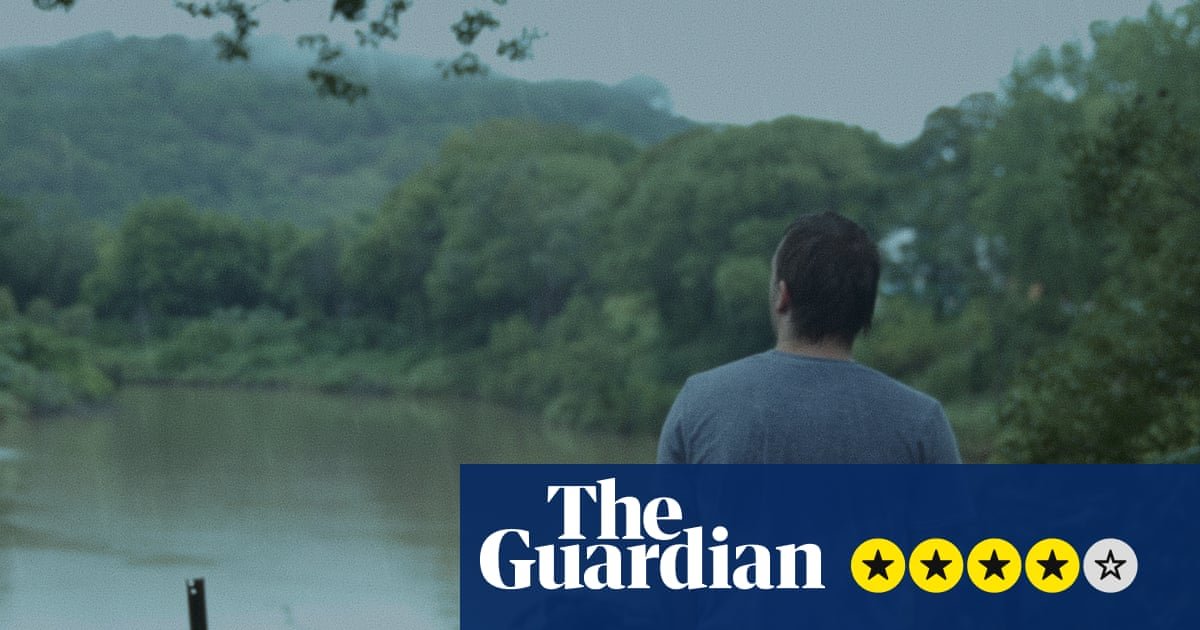
Floodland begins in lush wilderness around Lismore, which sure looks pretty – vibrant greenery, bright skies and gently rippling waterways. Soon we hear Eli discussing his love of the town and how he “always wanted to be close by”. We learn that he achieved his dream of home ownership, purchasing a “shitty house” positioned nine metres above river level, constructed, of course, with the understanding that this is a flood-prone area.
Floods, as Eli explains, are a way of life here: “You just move the washing machine upstairs, stock up on food and beer, and it’s all good.” But then we see visions of intense thunderstorms that hit the region in February 2022, the wind blowing massive palm trees around like paper props. An evacuation order was issued, then unprecedented disaster struck, the flood reaching record levels of 14.4 metres.
Giusti deploys striking footage, from both high in the air and close to the ground, of what this did to the town, the footage almost like an apocalypse thriller. Most buildings are engulfed by water, with residents forced to seek refuge by climbing on to their roofs.
We return to Eli’s house, which has been totally devastated, and visit the debris-filled streets which the locals wasting no time cleaning up and rebuilding. This must surely have been a melancholic process, steeped in a sense of loss, but also undertaken with a view to the future – of brighter pastures, perhaps; of new hopes and possibilities. Floodland is equal parts human and environmental: a vivid portrait of a landscape, and various lives shaped by it.