


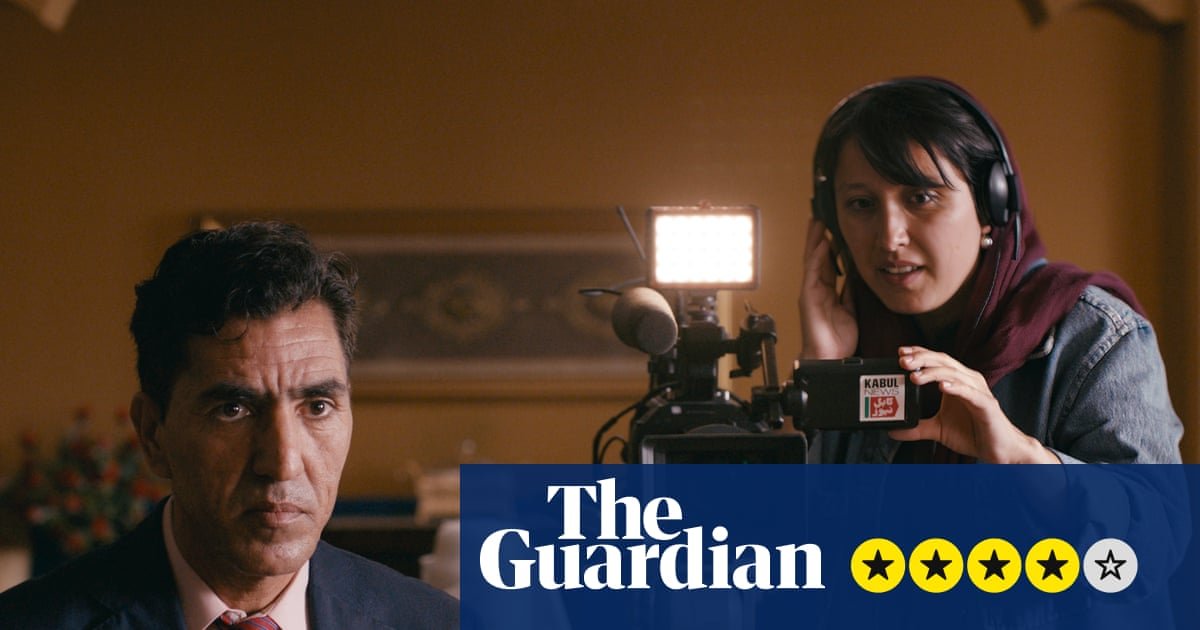
The Afghan film-maker Shahrbanoo Sadat is a warm and approachable presence as writer, director and star of No Good Men – a tale of Afghanistan’s women in 2021 as they are about to be surrendered to the Taliban with the withdrawal of US troops.
It’s an urgent tale, which incidentally closes with a fervent finale reminiscent of Casablanca – although the central turnaround in the male lead’s heart, gallantly disproving the title, is maybe a bit smooth.
Sadat is Naru, a woman effectively separated from her creep of a husband, burdened with sole charge of their son as well as being the only earner.
She is a camera operator at a Kabul TV station; she has liberated friends with western attitudes – one cheerfully gives her a vibrator as a present.
Naru is landed with working on sappy, soft-centred shows – problem-page magazine programmes where women are patronised by sexist dopes.
She yearns to work on real news items and gets her big break when a male cameraman is unavailable for the station’s big interview with a Taliban chief. The interviewer Quodri (Anwar Hashimi) is icily misogynist about this new woman he has to work with and when the Taliban chief inevitably walks out of the interview on the grounds that Naru is not sufficiently covering her head, he orders her to get out of the van on the way back to the station, ordering her to do fatuous vox-pops about Valentine’s Day.
It is intended as a meaningless humiliation, but Naru does a great job; women open up to her about the awfulness of their men in a way they never would to a man. The chiefs are impressed and she is also is a very important part in securing a big story about a rape case. Quodri himself appears to turn his attitudes around 180 degrees, and this married man embarks on a new, extra-marital admiration for Naru, with a real regard for her professional abilities. It’s a romance which reaches its crisis as Naru’s precarious rights are threatened both by the Taliban and her vengeful husband and Kabul falls to the theocrat bullies: a political catastrophe which affects women far more than men.
It’s a shrewd, pointed film – almost a kind of bookend to Samira Makhmalbaf’s very much more serious and un-westernised At Five in the Afternoon (2003) about women’s rights under Taliban rule being upended by the arrival of US troops during the Bush/Cheney “war on terror” – an invasion which caused forward-thinking ideas to be abandoned as the nation reverted to anti-women attitudes in the fever of war. This is a contemporary romance and the kind of film that tells you things about Afghanistan that aren’t covered in our own nightly news.